Why Some Climbers Don’t Reach the Summit of Mount Kilimanjaro
Why Some Climbers Don’t Reach the Summit of Mount Kilimanjaro
Climbing Mount Kilimanjaro is one of the most achievable high-altitude adventures in the world. Every year, thousands of trekkers stand on the Roof of Africa but not everyone makes it to the top.
Understanding the common challenges can make all the difference between turning back early and celebrating at Uhuru Peak.
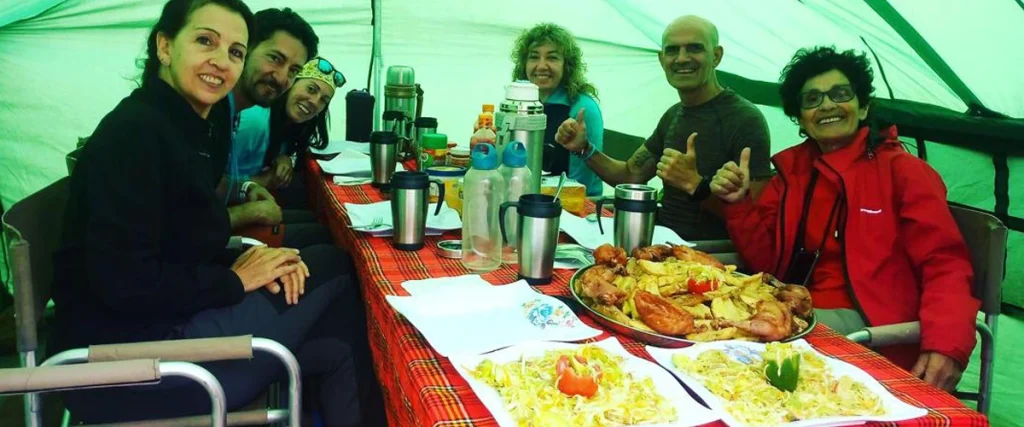
1. Altitude Sickness – The Biggest Challenge
The number one reason climbers fail to reach the summit is altitude sickness. As you climb higher, oxygen levels decrease, making it harder for your body to function normally.
This can affect anyone regardless of age or fitness level. Symptoms may include:
- Headaches
- Nausea
- Fatigue
- Difficulty sleeping
The main cause is ascending too quickly without proper acclimatization.
At Nafika Tours, we always recommend longer routes like the 7 – 8-day Route, which give your body time to adjust and greatly increase your success rate.
2. Choosing a Short or Fast Route
Many climbers underestimate the importance of time on the mountain. Short itineraries may seem convenient, but they significantly reduce your chances of success.
Longer routes allow:
- Better acclimatization
- Gradual altitude gain
- More rest and recovery
Studies and trekking data consistently show that longer climbs have much higher summit success rates.
3. Lack of Physical Preparation
Kilimanjaro is a non-technical climb but it is still physically demanding.
Climbers who are not prepared often struggle with:
- Long hiking hours (5–8 hours per day)
- Steep and uneven terrain
- Fatigue at high altitude
Without proper training, exhaustion becomes a major reason for turning back.
A good preparation plan should include:
- Hiking or long walks
- Strength and endurance training
- Practice with a backpack
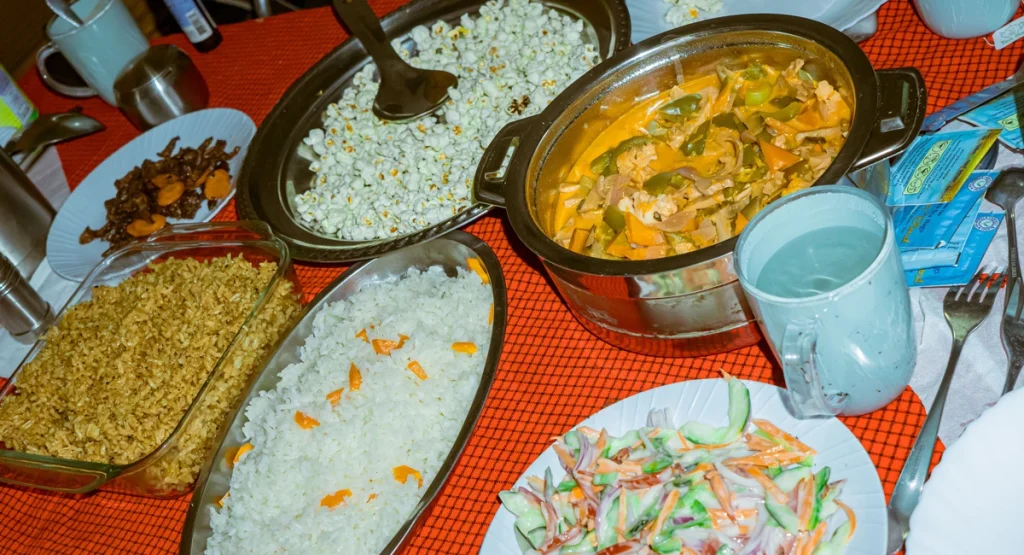
4. Poor Acclimatization Habits
Even on a good route, how you climb matters.
Common mistakes include:
- Walking too fast
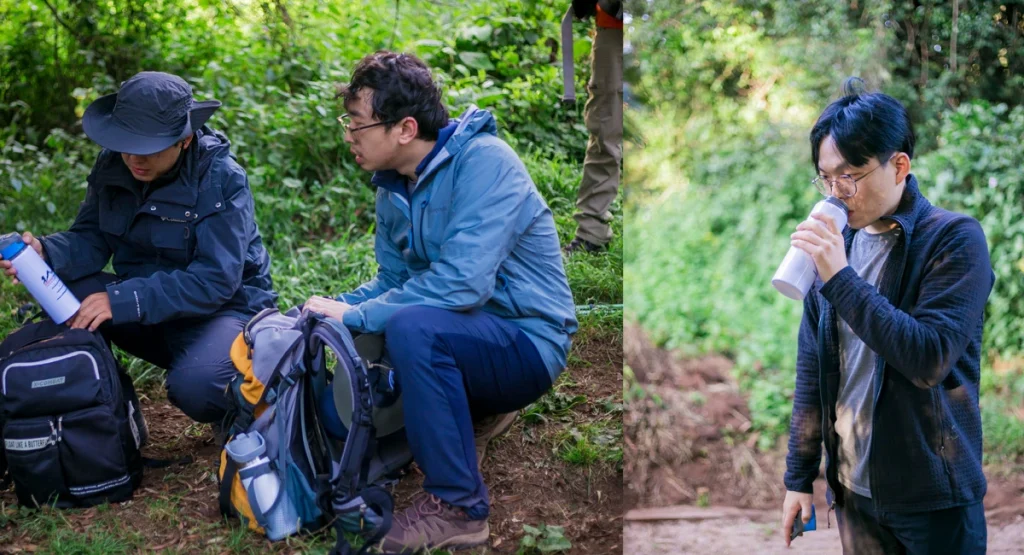
- Not drinking enough water
- Skipping meals
Climbing “pole pole” (slowly, slowly) is essential. A steady pace helps your body adapt to altitude and conserve energy.
5. Mental Challenges on the Mountain
Reaching the summit is not just physical it’s also mental.
Many climbers face:
- Cold temperatures
- Fatigue on summit night
- Long, demanding days
A positive mindset and determination are crucial. Mental strength often makes the difference between success and turning back.
6. Inadequate Gear and Equipment
Being cold, wet, or uncomfortable can quickly affect your performance and morale.
Common gear-related issues include:
- Poor-quality boots
- Insufficient warm clothing
- Inadequate sleeping gear
Proper equipment keeps you safe, warm, and focused throughout the climb.
7. Choosing the Wrong Operator
Your guide team plays a huge role in your success.
An experienced team will:
- Monitor your health daily
- Set the right pace
- Encourage and support you
- Handle emergencies professionally
A poorly organized climb can significantly reduce your chances of reaching the summit.
How to Maximize Your Chances of Success?
Reaching the summit of Kilimanjaro is absolutely achievable with the right approach.
Here’s what makes the biggest difference:
✔ Choose a longer route (7–9 days)
✔ Train before your trip
✔ Climb slowly and stay hydrated
✔ Bring proper gear
✔ Travel with an experienced team
Climb Kilimanjaro with Confidence
At Nafika Tours, we focus on safety, comfort, and high success rates. Our experienced guides, well-planned itineraries, and strong support team ensure you have the best possible chance of reaching Uhuru Peak.
Because with the right preparation and guidance
Kilimanjaro is not just a dream, it’s a goal you can achieve.
- Share On
Need Help Contact Us
- +255 753 118 725
Reasons to Book with us
SAFETY FIRST
We use international standard equipment, and our guides are trained in first aid and equipped with personal protection gear.
GUARANTEED DEPARTURE
Once a tour is booked, it is guaranteed to operate, even if there is only one client for the entire trip.
PERSONALIZED SERVICE
Our guides are trained to attend to each client's needs and adjust the program to ensure a personalized experience.
Help Links
- Kilimanjaro Climbing Routes
- How To Have a Successful Kilimanjaro Climbing
- How To Training For Climbing Kilimanjaro
- How can Climb Mount Kilimanjaro?
- The Best Time to Climb Kilimanjaro
- Altitude Sickness On The Mountain
- Top Questions People ask Before Climbing Kilimanjaro
- The Guide Services on Mount Kilimanjaro
- Food Menu on Mt. Kilimanjaro
- Differences between Lemosho Route and Machame Route
- Top Questions People ask Before Climbing Kilimanjaro
- Kilimanjaro Climbing Routes
- Kilimanjaro Packing List
- How Should I Tip on Kilimanjaro